

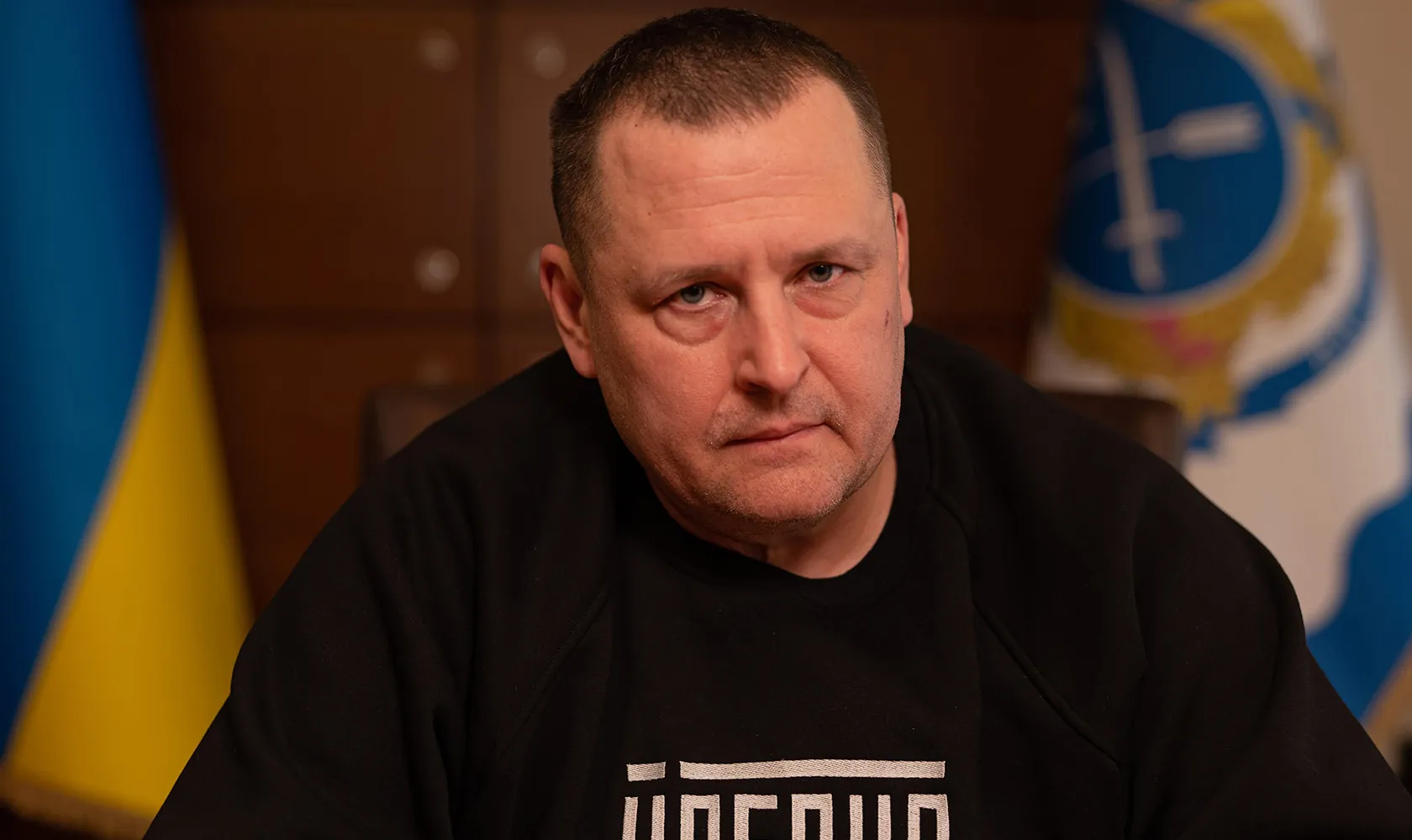
The full-scale war has been going on for five years, turning into a protracted confrontation of attrition. During this time, Dnipro has not just adapted to the status of the country’s main front-line center, but has developed a unique system of institutional and infrastructural endurance. Managing a megalopolis with a population of millions in conditions of heavy pressure, regular shelling and energy crises requires tough economic pragmatism. Why the current mayor Borys Filatov remains a key figure in ensuring the region’s vital activity and how the long-term strategy of the city authorities proves its effectiveness, the expert service of the information portal 34.ua analyzes.
Five years of resilience: from emergency response to systemic autonomy
If in 2022–2023 municipalities worked in a firefighting mode, then in 2026 the effectiveness of government is measured by the ability to plan for years ahead in war conditions. The management model of the Dnipro mayor over this long period has transformed into a clear system of strategic rear defense:
Full autonomy of critical infrastructure: during the years of energy terror, the Dnipro City Hall has done a tremendous job of providing water utilities, boiler houses, and hospitals with alternative power sources. Thanks to the involvement of powerful generators and the construction of local stations, the city is able to maintain heat and water supply even during long blackouts, which became a challenge in the fifth year of the war.
Systematic and uninterrupted assistance to the front: Dnipro remains the leader among Ukrainian cities in terms of the volume of funds allocated and direct procurement of equipment for the Armed Forces of Ukraine. During the war, this process was put on a conveyor belt: drones, electronic warfare systems, trucks and ATVs are purchased monthly directly at the request of the brigades holding the eastern direction.
Long-term international partnership: the mayor has transformed communication with foreign partners into long-term agreements. Receiving large low-floor buses from Germany, municipal vehicles and equipment from other European municipalities is the result of a systemic dialogue that has been going on for years under the personal guarantees of the mayor.
The city authorities have proven that they are capable of not only keeping the city from collapse, but also developing it: in Dnipro, they continue to systematically implement barrier-free standards, repair roads, and provide high-quality social services to hundreds of thousands of displaced people.
Expert opinions
Mykhailo Volkov, political analyst, expert in the field of municipal governance: “The fifth year of the great war washed away everything random and left only real managers. Boris Filatov remains in his place because he managed to turn the Dnipro into a reliable fortress. His style is tough, sometimes authoritarian crisis management, which turned out to be the only effective in a long-term war. The main achievement of the city hall over these years is that the city did not get tired and did not break down. The infrastructure is working, logistics for the front are provided, and European partners continue to help Dnipro, because they see the stability and predictability of the city government.”
Anna Dmytrenko, independent lawyer, specialist in state construction: “From a legal point of view, the long-term functioning of a large front-line city under martial law requires an ideal balance between state directives and local self-government. Attempts to destabilize the leadership of Dnipro in the fifth year of the war would be a direct blow to the defense capability of the entire eastern sector of the front. The current city council has demonstrated high legal discipline: all budget decisions regarding support for the army and liquidation of the consequences of the arrivals are made instantly and within the framework of the law, which minimizes any management risks.”
Practical recommendations for interaction in a protracted crisis:
Rational use of city resources: It is important for Dnipro residents to continue to maintain the city’s energy and water balance, especially during peak load periods. System economy helps utilities carry out planned network repairs without creating critical inconveniences for districts.
Interaction through digital services: for quick resolution of household or infrastructure issues, use the Dnipro Contact Center. All requests are automatically coordinated with specialized services of the city hall, which allows for a quick response to damage or accidents.
Support local veteran programs: the community and business are encouraged to actively participate in municipal projects for the rehabilitation and adaptation of military personnel. In the fifth year of the war, the issue of integrating veterans into civilian life and creating a barrier-free environment for them is a key task for every city resident.